Dinosaur profiles
Ankylosaurus: armour, a tail club, and missing pieces
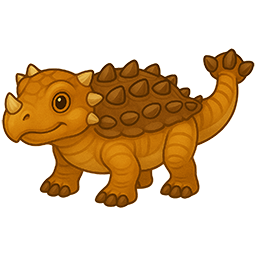
A low, broad body and a heavy tail club make Ankylosaurus distinctive. Yet some details of this famous dinosaur remain surprisingly uncertain.
- Diet
- Plants
- Time
- Late Cretaceous
- Look for
- Bony armour
Famous does not mean complete
Ankylosaurus lived in North America near the end of the Cretaceous. No complete skeleton has been found. Its bony armour often became separated from the rest of the animal, leaving uncertainty about its exact arrangement. The Natural History Museum lists an estimated length of about eight metres, but a life reconstruction still requires comparisons and interpretation.
Natural History Museum · AnkylosaurusArmour was part of the animal
Ankylosaurs had bony plates embedded in their skin. These are called osteoderms. Their wide bodies and short limbs gave them a very different outline from tall sauropods or lightly built predators. Ankylosaurs belong to the broader armoured-dinosaur group that also includes stegosaurs, although the two groups developed different arrangements of protective structures.
Natural History Museum · Dinosaurs with built-in armourA club is only part of the story
Ankylosaurus ate plants; the club was not a tool for catching prey. Defence against predators is one likely use. But avoid imagining that every armoured dinosaur had the same equipment: several other ankylosaurs lacked a club. Nor does a fossil skeleton tell us whether an individual animal was usually calm or aggressive.
Natural History Museum · AnkylosaurusCompare the details
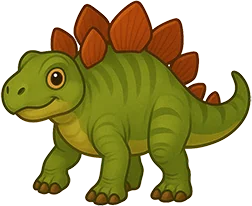
Try putting an Ankylosaurus reconstruction beside a Stegosaurus reconstruction. Start with what you can describe: the tail ending, the outline of the back, and the relative height of the body. Then check the labels for what is known and what has been reconstructed. A good comparison creates questions instead of just a list of differences.
Test your curiosity
Did every ankylosaur have a bony tail club?
Reveal the answer
No. Ankylosaurus did, but several other members of the broader ankylosaur group lacked one.
Go straight to the evidence.
Explore the references behind this introduction. Sources checked October 2, 2026. New fossil discoveries can change scientific interpretations.
Have a correction? Contact HALUDOS.