Dinosaur profiles
Triceratops: three horns and a surprising first impression
Three horns make a memorable face. But look below them and you will find an equally interesting set of tools for eating plants.
- Diet
- Plants
- Time
- Late Cretaceous
- Name means
- Three-horned face
A skull worth looking at twice
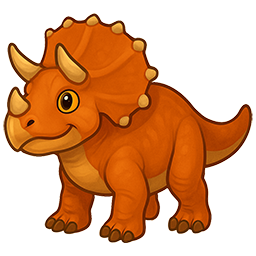
Triceratops had two large horns above its eyes, a smaller nose horn, and a broad bony frill. It lived near the end of the Cretaceous, about 68–66 million years ago. Its horns may have helped in defence and encounters with other Triceratops. The frill may also have had a role in display or recognition. A striking shape alone cannot tell us everything about its behaviour.
Natural History Museum · TriceratopsA powerful plant-processing mouth
Despite its formidable appearance, Triceratops ate plants. A beak helped it crop vegetation, while closely arranged teeth provided cutting surfaces farther back in the mouth. Its teeth worked together rather than acting as a few isolated blades. When you look at a skull display, give the jaws as much attention as the horns: they reveal a very different part of the animal’s life.
American Museum of Natural History · Triceratops horridusThe horns that looked like something else
In 1887, palaeontologist Othniel Charles Marsh examined a pair of fossil horn cores from Colorado and initially interpreted them as belonging to an extinct bison. Further discoveries led to a different identification. This is a useful reminder that a fossil does not arrive with its name attached. Scientists interpret a fragment using comparisons, then revise the explanation when better evidence appears.
American Museum of Natural History · Triceratops horridusA museum challenge
Choose a skull and try describing it without using its name. Count the horns, describe the teeth, and trace the openings. Then read the label. Which observations helped you identify it, and which surprised you?
Test your curiosity
Does having large horns mean that a dinosaur ate meat?
Reveal the answer
No. Triceratops was a plant eater. Teeth and jaws can tell a different story from horns and frills.
Go straight to the evidence.
Explore the references behind this introduction. Sources checked October 2, 2026. New fossil discoveries can change scientific interpretations.
Have a correction? Contact HALUDOS.