Prehistoric worlds
Jurassic vs Cretaceous: dinosaurs did not all live together
A dinosaur collection puts everything in one room. Earth’s history spread those animals across an enormous stretch of time.
Millions of years ago · not to scale
- Big picture
- Mesozoic Era
- Read from
- Older to newer
- Dates below
- Approximate
Three chapters, not one moment
The Mesozoic Era includes the Triassic, Jurassic, and Cretaceous periods. The Jurassic came before the Cretaceous; neither name means the whole age of dinosaurs. The rounded boundaries shown here follow the Natural History Museum’s introductory timeline. Geological dates are estimates that can be refined, so they are best used here to understand scale and sequence.
Natural History Museum · When did dinosaurs live?A Jurassic landscape
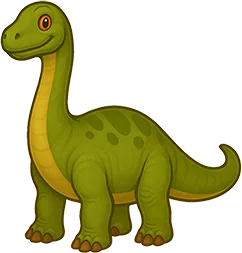
During the Jurassic, the supercontinent Pangaea continued breaking apart. Conifers and ferns were important parts of many landscapes. Dinosaurs such as Stegosaurus and large sauropods lived in this period. Picture a changing set of environments rather than one endless tropical forest: a period stretches over millions of years and many places.
Natural History Museum · The Jurassic PeriodA changing Cretaceous world
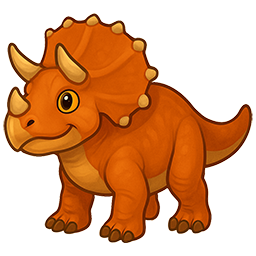
The Cretaceous lasted nearly 80 million years. Continents continued moving apart, and shallow seas covered parts of the land. Flowering plants became increasingly important. Triceratops and Tyrannosaurus lived very late in this period, close to the extinction event around 66 million years ago. Putting them beside Jurassic dinosaurs in a story mixes different chapters of history.
Natural History Museum · The Cretaceous PeriodBuild a better dinosaur collection
Instead of sorting your favourite dinosaurs by size, try sorting them by time. Write each name on a card, add its period from a museum source, and arrange the cards from oldest to youngest. Leave space for the gaps. Then ask a second question: even if two animals overlapped in time, did they live in the same place?
Test your curiosity
Could a Late Jurassic Stegosaurus have met a Late Cretaceous Triceratops?
Reveal the answer
No. They belonged to different periods, separated by many millions of years.
Go straight to the evidence.
Explore the references behind this introduction. Sources checked October 2, 2026. New fossil discoveries can change scientific interpretations.
- Natural History Museum · When did dinosaurs live?
- Natural History Museum · The Jurassic Period
- Natural History Museum · The Cretaceous Period
Have a correction? Contact HALUDOS.